Leave Your Message

What Are Ham Radios and How Do They Work?

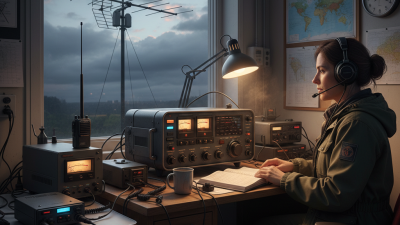
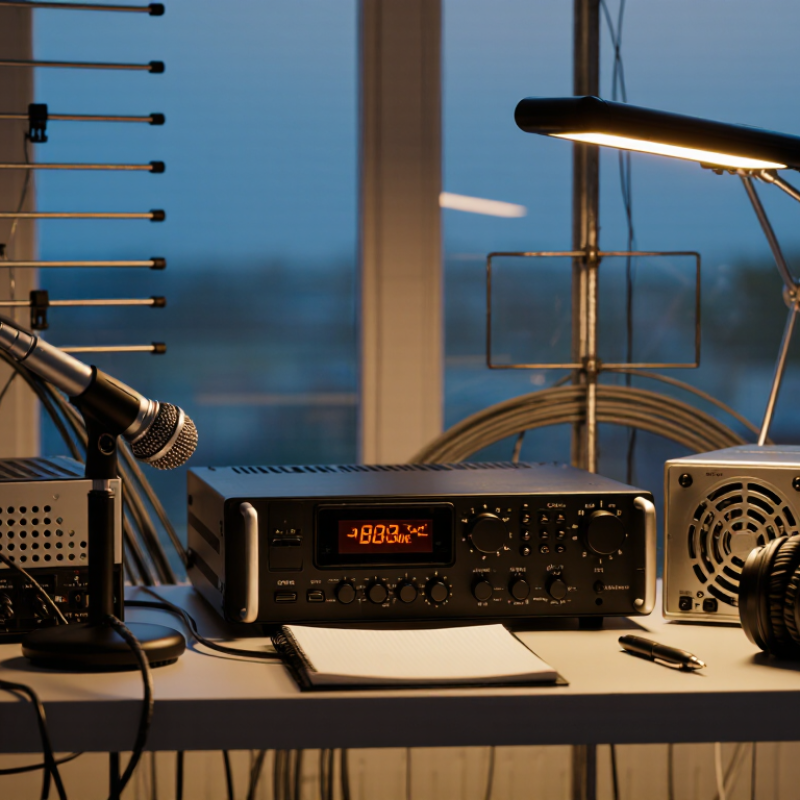
Ham Radios are two-way communication systems operated by licensed enthusiasts, often called amateur radio operators. Unlike ordinary broadcast receivers, they can transmit and receive signals across many approved frequency bands. A typical station may include a transceiver, microphone, power supply, antenna, and headphones. Some setups fit on a desk, while others travel in a backpack or vehicle.

The process is practical and surprisingly physical. Your voice enters the microphone, becomes an electrical signal, and travels through an antenna as radio energy. Another station captures that energy, processes it, and reproduces your voice through a speaker. Conditions matter. A clear evening, a better antenna, or a change in atmospheric activity can transform a weak signal into a readable conversation. Distance is not the only factor.

Ham Radios also support emergency communication, technical experimentation, public service events, and conversations between people separated by oceans. However, they are not magic, and a large antenna cannot solve every problem. Experienced operators study propagation, interference, equipment safety, and responsible operating practices. They also follow licensing requirements and frequency rules in their country. Mistakes happen, especially when beginners confuse signal strength with signal quality. That distinction deserves attention. Understanding how the equipment works makes the hobby safer, more reliable, and far more rewarding.
What Are Ham Radios and How Do They Work?

What Ham Radios Are and the Principles Behind Amateur Radio

Ham radios are systems used by licensed amateur radio operators for two-way communication, learning, and public service. Unlike ordinary broadcast receivers, they can transmit signals over selected radio frequencies. An operator speaks into a microphone, and the radio changes that voice into an electrical signal. An antenna then sends the signal as electromagnetic energy. It is invisible, but not mysterious.

The receiving station follows the reverse process. Its antenna captures a small radio signal, while the receiver separates, strengthens, and converts it into sound. Distance depends on frequency, antenna design, terrain, weather, and transmitted power. High-frequency signals can sometimes travel far by reflecting through the ionosphere. Very-high-frequency signals usually work best across a clear, direct path. Small details matter.

A practical station may include a transceiver, power supply, antenna, coaxial cable, and grounding equipment. I have found that antenna placement often affects communication more than beginners expect. A modest radio with a well-positioned antenna can outperform a powerful setup with poor installation. That lesson is easy to miss. Operators also learn call signs, operating procedures, signal reports, and emergency communication practices. In many regions, an examination and license are required before transmitting. Rules differ by country, so checking the relevant authority is essential. My first explanation of ham radio was too simple: it is not only about talking farther. It is also about tuning carefully, listening patiently, and understanding how signals behave.
The Main Parts of a Ham Radio Station

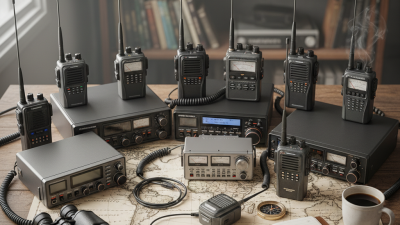
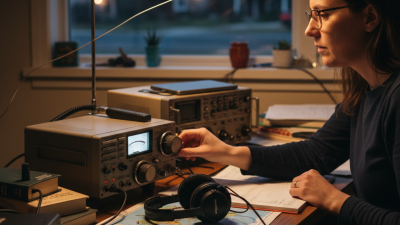
A ham radio station is a practical system for sending and receiving radio signals. Its central part is the transceiver, which combines a transmitter and receiver in one unit. The microphone carries your voice into the transmitter. A key or paddle sends coded signals for Morse communication. Simple controls select frequency, operating mode, and output power.

The antenna does the real outdoor work. It converts electrical energy into radio waves and receives signals from distant stations. A feed line connects the antenna to the transceiver. Poor connections can waste power, so I inspect plugs for looseness and corrosion. Some stations use an antenna tuner to improve the match between the radio and antenna. It cannot repair a badly placed antenna. Placement still matters.

A stable power supply keeps the radio operating safely. Many stations also include a ground system, headphones, a speaker, and a logbook. The ground connection needs careful installation and local safety knowledge. My first setup looked complete, but cable routing caused unwanted noise. I moved the power cables away from audio cables, and reception improved. Small details matter. Before transmitting, operators should identify themselves properly and follow their license privileges. I still recheck settings before pressing the microphone button. That habit prevents avoidable mistakes.

What Are Ham Radios and How Do They Work?

The Main Parts of a Ham Radio Station

A ham radio station typically includes a transceiver, power supply, feed line, antenna, and sometimes an antenna tuner. The transceiver generates and receives radio-frequency signals, while the antenna converts electrical energy into radio waves and receives signals from the air.

The chart compares approximate radio wavelength with the theoretical quarter-wave antenna length for several common amateur radio bands. Actual antenna dimensions vary because of construction, surroundings, and the velocity factor of the materials.

How Radio Signals Carry Voice, Data, and Morse Code

Ham radios are communication systems operated by trained radio amateurs. They turn information into carefully controlled electromagnetic waves. A microphone changes speech into an electrical audio signal. The transmitter then places that signal onto a radio-frequency carrier. An antenna launches the result through space. The receiving antenna captures a tiny version of it. Filters and circuits remove unwanted signals, while the receiver restores understandable sound.

Voice is only one possibility. Digital data can travel as short packets containing text, position details, or equipment readings. The transmitter converts computer information into coded tones or rapid signal changes. The receiver decodes those patterns back into data. Weak signals may arrive with noise, so error-checking helps identify damaged information. It cannot repair everything.

Morse code uses a simpler method. An operator sends short and long signal elements, called dots and dashes. These elements represent letters, numbers, and punctuation. The radio may switch the carrier on and off, while the listener interprets the timing. I once considered Morse outdated, but its narrow signal can remain readable when voice becomes difficult. That judgment needs caution, because conditions, operator skill, and interference still matter. A clear antenna installation, suitable frequency, and accurate operating procedure often influence results more than raw transmitter power.

How Operators Communicate Through Ham Radio Networks

Ham radios are two-way systems operated by licensed amateurs for local, regional, and international communication. Operators identify themselves with assigned call signs and share a common frequency. In a simple exchange, one person transmits while others listen. A repeater can extend coverage from a crowded street to distant valleys. It receives a signal, shifts it, and retransmits it across a wider area.

Networks become more useful when repeaters, gateways, and scheduled radio groups connect operators. A volunteer net controller may invite check-ins, record locations, and relay weather reports. Digital modes can send short messages using less spectrum, while voice remains valuable during power failures. The FCC’s public licensing data recorded more than 700,000 active amateur licenses in the United States in 2024. International Telecommunication Union reports describe amateur service as supporting technical investigation, self-training, and emergency communication. These figures show reach, not guaranteed reliability. Hills, overloaded channels, and poor antennas still cause failures.

Tips: Listen before transmitting. Keep messages brief. State your call sign clearly, then pause for replies. Test your radio with a local net before an emergency. A small notebook helps track frequencies, relay points, and contact times. I have found that operators often focus on equipment first. That can be a mistake. Good network habits usually matter more than expensive hardware.

What Are Ham Radios and How Do They Work? - How Operators Communicate Through Ham Radio Networks

Data Dimension Typical Information How It Works in Ham Radio
Definition Amateur radio is a licensed, non-commercial radio service. Operators use radio frequencies for communication, experimentation, education, and public-service activities rather than ordinary commercial broadcasting.
Operator A licensed amateur radio operator. The operator selects an authorized frequency and mode, identifies the station as required by local regulations, and follows power, interference, and operating rules.
Basic Communication Path Voice or data message → transmitter → antenna → radio waves → receiving antenna → receiver. The transmitter converts information into a modulated radio signal. The receiver demodulates the signal and converts it back into understandable audio or data.
Common Communication Modes Single-sideband voice, frequency-modulated voice, continuous-wave Morse code, and digital data. Each mode changes how information is placed onto the carrier signal. Mode selection must match the receiving station and the authorized portion of the band.
VHF Communication Very High Frequency; commonly used for local voice and data communication. VHF signals often travel primarily by line of sight. Buildings, hills, antenna height, and terrain strongly affect coverage.
UHF Communication Ultra High Frequency; commonly used for local and regional communication. UHF can support compact antennas and may work well in some built-up areas, although signal absorption and obstruction can be significant.
HF Communication High Frequency; used for regional, national, and international contacts. HF signals can travel beyond the horizon by reflecting or refracting through ionized layers of the upper atmosphere, depending on frequency and conditions.
Typical Amateur Bands Examples include 160 m, 80 m, 40 m, 20 m, 15 m, 10 m, 6 m, 2 m, and 70 cm bands. The band name is based on approximate wavelength. Exact frequencies, permitted modes, and power limits vary by country and license class.
Wavelength and Frequency Wavelength decreases as frequency increases. The relationship is approximately wavelength in meters = 300 ÷ frequency in megahertz. Antenna dimensions are selected according to the operating wavelength.
Antenna Wire, vertical, dipole, beam, mobile, or other resonant antenna designs. The antenna converts electrical energy into electromagnetic waves for transmission and converts received waves back into electrical signals.
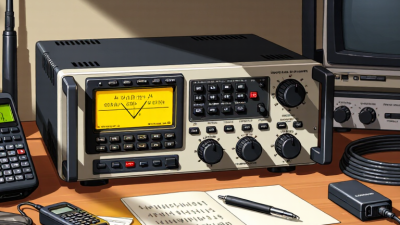
Transceiver A combined transmitter and receiver. A transceiver generates the outgoing signal, tunes to a selected frequency, receives incoming signals, and usually provides controls for mode, power, and audio.
Repeater An automatic station that receives and retransmits signals. A repeater, usually installed at an elevated location, extends local coverage. The handheld or mobile station transmits on one frequency while listening on another.
Simplex Operation Both stations transmit and receive on the same frequency. Operators take turns transmitting. This method is direct and does not require an intermediary station.
Network Structure Direct contacts, repeater systems, linked repeaters, gateways, and organized emergency nets. Stations share information through agreed frequencies and procedures. Some systems connect multiple coverage areas, while others remain local.
Call Sign A unique identification assigned under national or international regulations. Operators use call signs to identify the transmitting station. The format typically includes letters and numbers associated with the licensing authority and geographic allocation.
Signal Strength Affected by transmitter power, antenna efficiency, distance, terrain, noise, and propagation. Higher power does not always guarantee better communication. Antenna placement, low losses, clear frequencies, and favorable propagation can be equally important.
Propagation Conditions Line of sight, ground-wave travel, atmospheric reflection, and ionospheric propagation. Solar activity, time of day, season, weather-related effects, terrain, and frequency influence whether a signal remains local or travels a long distance.
Digital Communication Text, position reports, telemetry, images, and computer-generated messages. A computer or controller encodes information into digital symbols. The radio transmits the signal, and the receiving system decodes it.
Emergency Communication Backup communication during disasters, outages, severe weather, or infrastructure failures. Operators may pass verified messages, coordinate field activities, and relay information when conventional communication systems are unavailable, subject to local rules and emergency procedures.
Licensing and Regulation Licensing requirements differ by country and may include examinations and station identification rules. Regulations define authorized bands, operating modes, power limits, permissible content, interference practices, and operator responsibilities.
Main Advantages Flexible coverage, independent operation, technical experimentation, and community coordination. Ham radio can support communication without relying entirely on cellular networks or the internet, while also enabling operators to study radio science and antenna design.

Note: Frequency allocations, licensing requirements, power limits, and permitted operating practices vary by jurisdiction. Operators must follow the regulations applicable to their location.

The Skills, Rules, and Licenses Needed to Use Ham Radios

Ham radios are two-way communication tools operated by licensed amateurs. They use radio waves to send voice, data, or Morse code through an antenna. A receiver captures signals, while a transmitter converts speech into radio energy. Distance depends on frequency, antenna height, terrain, and atmospheric conditions.

Operating one requires more than turning a dial. New users usually study basic electronics, frequency control, safe antenna installation, and radio procedure. Licensing rules differ by country, so applicants should check their national communications authority. Most systems include an entry-level exam covering regulations, electrical safety, and technical knowledge. After passing, the operator receives a call sign and may transmit only within assigned privileges.

Rules matter during every contact. Operators must identify themselves as required, stay inside authorized frequencies, and avoid commercial messages or harmful interference. Emergency communication may be permitted under special conditions, but local law still guides the response. Beginners often practice by listening first, writing down call signs, and making short, clear transmissions. Keep a log.

I once underestimated how quickly signals can fade behind a hill. That mistake taught me to check the antenna, weather, and power settings before blaming the radio. Even careful operators mishear a call sign sometimes. Asking for a repeat is better than guessing.