Leave Your Message

China Top 10 Ham Radios for Global Buyers?

Choosing the right Ham Radios from China can feel like comparing identical black boxes. In reality, small differences matter. Receiver sensitivity, audio clarity, battery endurance, connector quality, and menu design can change daily use. A radio that performs well in a quiet workshop may struggle beside a busy highway or crowded event. This guide introduces ten Chinese Ham Radios that deserve attention from global buyers, based on practical specifications, user-focused features, and available manufacturer information.

The selection considers handheld, mobile, and base-oriented models where appropriate. It also examines output power, frequency coverage, programming methods, display visibility, charging options, and accessory support. Clear documentation matters. So does reliable after-sales communication. Buyers should verify current product details, regional frequency permissions, certification requirements, warranty terms, and import conditions before ordering. Technical features never replace responsible operation.

No list is perfect.

Manufacturers may revise components, firmware, or packaging without obvious notice. Some performance impressions can also vary with antennas, terrain, weather, and operator experience. That limitation deserves attention, not concealment. The strongest choice may not be the most powerful model. A compact radio with a readable screen and dependable battery can be more useful during a long field day. This overview aims to provide a balanced starting point for informed comparison, helping international buyers ask better questions before making a purchase.
China Top 10 Ham Radios for Global Buyers?

What Defines a Ham Radio for International Buyers

China Top 10 Ham Radios for Global Buyers?

For international buyers, a ham radio is more than a transmitter with many buttons. It must match local licensing rules, frequency allocations, power limits, and electrical standards. The ITU Radio Regulations define the amateur service internationally, but each administration applies its own conditions. Buyers should verify permitted bands before purchase. That step is easy to skip.

IARU estimates more than three million radio amateurs worldwide. This broad community needs equipment that performs across different climates, languages, and operating habits. A practical model should offer stable frequency control, clear receive audio, reliable sensitivity, and accessible operating instructions. A 12-volt power input helps in vehicles and field stations. Replaceable connectors and standard accessories also reduce repair delays.

ITU Facts and Figures 2023 reported that 67% of the global population used the Internet. That figure does not measure ham-radio demand, but it highlights a useful expectation: buyers want clear online manuals, firmware information, and technical support. A top-ten comparison should therefore examine documentation as carefully as output power. It should also test heat handling, standby battery drain, microphone clarity, and performance beside urban electrical noise. Laboratory figures can look impressive. Real-world results may differ. I would not rank a radio highly without checking regional compatibility, warranty communication, and repair access. Some low-cost units appear complete, yet their manuals remain vague. That matters when a buyer is thousands of kilometers away.

How China’s Ham Radio Market Compares by Radio Type

China Top 10 Ham Radios for Global Buyers?

China’s ham radio market is easier to understand by radio type than by ranking. Handheld radios dominate entry-level sales because they are compact, affordable, and useful for local communication. Many provide dual-band coverage, removable batteries, and simple keypad controls. Their real weakness is often audio quality in crowded urban areas.

Mobile radios offer stronger output and better range when installed in a vehicle. They usually include external microphones, clearer displays, and more flexible antenna options. Base-station radios suit fixed operating desks, especially for home antennas and longer sessions. However, installation quality can change performance more than the radio itself. A poor cable, weak grounding, or unsuitable antenna may waste the radio’s advertised power.

Software-defined radios form another important category. They can support wide signal monitoring and detailed computer control, but they require more technical knowledge. This comparison is not perfect. Prices, firmware quality, and after-sales support can vary between sellers and export markets. Buyers should check verified specifications instead of trusting dramatic range claims.

Tips: Match the radio to your operating place. Choose handheld equipment for portability, mobile equipment for vehicles, and base stations for regular home use. Confirm frequency coverage, connector standards, voltage, warranty terms, and legal operating requirements in your country. Test reports from experienced operators are useful, but personal results may differ. Licensing still matters.

China Top 10 Ham Radios for Global Buyers? - How China’s Ham Radio Market Compares by Radio Type

A practical comparison of the ten most relevant amateur-radio categories commonly available from China-based manufacturers and suppliers.

Radio Type Typical Frequency Coverage Typical RF Output Common Modes or Features Form Factor Best-Fit Global Buyer Key Buying Considerations
1 VHF/UHF Dual-Band Handheld Typically 136–174 MHz and 400–520 MHz; exact ranges vary by model and market. Approximately 1–8 W. Analog FM Dual watch CTCSS/DCS Scanning Battery-powered handheld; usually 1–2 kg including battery and antenna. New operators, field users, emergency-preparedness groups, and local repeater users. Check permitted amateur bands, receiver performance, battery certification, charging standards, and local type-approval rules.
2 VHF/UHF Dual-Band Mobile Commonly 136–174 MHz and 400–520 MHz. Usually 20–50 W, with lower-power settings. Analog FM Cross-band relay Memory channels Remote head options Vehicle or compact base-station installation; normally powered from 12–14.5 V DC. Mobile operators, rural users, public-service volunteers, and operators needing more range than a handheld. Verify current draw, cooling, microphone connectors, antenna installation requirements, and vehicle EMC compatibility.
3 VHF Single-Band Transceiver Usually within the 144–148 MHz amateur allocation, with regional variations. Approximately 25–50 W. 2 m FM Repeater offset CTCSS/DCS APRS-ready models Mobile or fixed station. Buyers focused on 2-meter repeaters, simplex communication, and local-area coverage. Frequency permissions differ by country; confirm receiver selectivity, repeater tone support, and antenna connector type.
4 UHF Single-Band Transceiver Often within 430–440 MHz or 430–450 MHz, depending on the national amateur allocation. Approximately 25–50 W. 70 cm FM Repeater operation Memory channels DTMF control Mobile or compact base station. Urban operators, repeater users, and buyers needing smaller antennas than typical VHF installations. UHF propagation is more sensitive to buildings and terrain; check harmonics, receiver overload resistance, and local frequency permissions.
5 HF/50 MHz Base-Station Transceiver Commonly covers portions of 1.8–30 MHz and sometimes 50 MHz. Typically up to 100 W, subject to national regulations. SSB CW AM/FM Digital modes Desktop station; requires an external power supply, antenna system, and usually an antenna tuner. DX operators, contesters, club stations, and buyers seeking long-distance communication. Performance depends strongly on antenna efficiency, filtering, grounding, and regional power limits rather than the transceiver alone.
6 Portable HF/QRP Transceiver Typically covers several HF amateur bands from 3.5 to 30 MHz; coverage is model-dependent. Approximately 1–20 W for QRP designs; some portable units reach higher output. SSB CW Digital modes Low power consumption Compact battery-powered unit, often below 1.5 kg excluding accessories. Hikers, emergency communicators, portable-activation operators, and travelers. Evaluate battery chemistry, charging method, tuner compatibility, thermal management, display readability, and connector durability.
7 Software-Defined Radio Transceiver Model-dependent; products may cover HF only or extend through VHF/UHF. From milliwatt-level QRP output to approximately 100 W in full-size units. USB/CAT control Waterfall display Digital filtering Firmware updates Desktop, embedded, or portable computer-connected equipment. Experimenters, digital-mode users, contesters, and buyers wanting flexible signal processing. Check operating-system support, driver stability, latency, computer requirements, firmware support, and electromagnetic compatibility.
8 DMR Digital Amateur Transceiver Commonly available in VHF, UHF, or dual-band versions. Approximately 1–8 W handheld; up to 25–50 W mobile. DMR Tier II Analog FM Color code Time slots Talk groups Handheld, mobile, and repeater-compatible configurations. Operators using digital voice networks, organized clubs, and repeaters with DMR infrastructure. Interoperability depends on code plugs, talk-group configuration, timeslot settings, firmware, and repeater-network policies.
9 APRS/GPS-Enabled Amateur Transceiver Most commonly VHF or VHF/UHF amateur bands. Approximately 1–50 W depending on handheld or mobile format. APRS packet reporting GPS Position beacons Message functions Handheld or vehicle-mounted equipment. Event support teams, outdoor users, search-and-rescue volunteers, and tracking applications where permitted. GPS accuracy, packet settings, data interface, beacon interval, and local APRS frequency plans must be checked before use.
10 Satellite-Capable VHF/UHF Transceiver Typically covers portions of the 144 MHz and 430 MHz amateur bands. Approximately 5–50 W; many satellite contacts use much lower power. Full duplex on selected models Doppler correction FM satellite support Satellite memory channels Handheld, mobile, or fixed station with directional antenna options. Amateur-satellite operators, education programs, and technical hobbyists. Successful operation depends on satellite frequency plans, antenna polarization, Doppler correction, operating schedule, and licensing rules.
Data note: Technical figures are representative ranges commonly found in the China-market amateur-radio sector, not specifications for a particular brand or company. Actual frequency coverage, output power, firmware functions, certification, and legal operating limits vary by model and destination country. Amateur-radio operation generally requires an appropriate license and compliance with local spectrum regulations.

Top 10 Chinese Ham Radios by Features and Use Cases

China’s top ten ham radios are easier to choose when matched with real use cases. A compact handheld suits city walks, emergency drills, and short trail trips. Dual-band models improve access to local repeaters. A simple single-band unit can be lighter and easier to program.

For long-distance listening, choose a radio with stable frequency control and clear audio filtering. Portable base-style radios fit camping tables and temporary stations. Mobile units work well in vehicles, especially with an external antenna and secure mounting. Digital-capable models offer useful voice clarity, but they require compatible networks and careful setup. Power output matters less than antenna quality in many practical situations. That detail is often overlooked.

For beginners, a radio with a bright screen, physical controls, and a removable battery reduces frustration. Experienced operators may prefer programmable channels, scanning groups, signal meters, and computer connectivity. Weather-resistant construction helps during light rain, but no rating should be treated as unlimited protection. A basic analyzer or trusted meter can reveal antenna problems before transmission. Do not guess.

The tenth option is a lightweight travel radio with broad receiving coverage and flexible charging. It suits observers, hikers, and backup kits. Buyers should verify permitted frequencies, transmission standards, and licensing rules in their country. Manuals can be unclear, and translated menus sometimes cause mistakes. Check every setting twice. Reliable performance comes from measured setup, suitable accessories, and realistic expectations rather than impressive specifications alone.

Frequency Bands, Licensing, and Regional Compatibility

China Top 10 Ham Radios for Global Buyers?

Frequency bands matter more than appearance when comparing China’s top ten ham radios. A compact handheld may cover 2 meters and 70 centimeters, while a mobile unit may add 6 meters or selected HF bands. These ranges affect local repeaters, antenna choices, and long-distance communication. Check the radio’s exact frequency table, not only the product title.

Licensing rules differ by country and sometimes by region. Buyers should confirm the required operator license, permitted bands, transmission power, and call sign rules with their national regulator. A radio sold for export may still require local type approval. Some frequencies can be receive-only in one country but authorized for amateurs elsewhere. Never assume imported equipment is automatically compliant.

Regional compatibility includes channel spacing, step settings, connector standards, voltage, and language support. A field test can reveal problems that specifications hide, especially weak audio or poor battery performance in cold weather. I have learned that a lower price does not always mean better value. My own comparisons can also miss local repeater settings. Verify them with an amateur radio club or regulator before transmitting. Keep records of the model, serial number, and approval documents. Shorter antennas may be convenient, but they can reduce practical range in buildings or crowded urban areas.

Buying, Testing, and Supporting a Chinese Ham Radio Overseas

China Top 10 Ham Radios for Global Buyers?

Buying, Testing, and Supporting a Chinese Ham Radio Overseas

Buying a Chinese ham radio overseas requires more than comparing prices. I check its operating bands, power range, connector type, and charging requirements before payment. The radio must match my local amateur license and frequency rules. I also request the latest manual, warranty terms, and compliance information from the seller. Paperwork matters. Import taxes, plug standards, and return shipping can change the real cost.

After delivery, I inspect the battery, buttons, display, antenna socket, and case. I use a wattmeter, dummy load, and frequency counter for basic checks. These tools help confirm output power, frequency stability, and safe transmission behavior. I avoid testing through an unknown antenna. I also compare the menu settings with the manual, because translations can be unclear. My first test was rushed, and I missed a regional channel-spacing setting. That mistake reminded me to slow down.

Overseas support deserves equal attention. A useful seller should answer technical questions clearly and provide firmware guidance, replacement parts, and repair instructions. Local radio clubs can help verify programming and operating practices. Keep invoices, serial information, test notes, and communication records. Support can become difficult when the seller only offers short online replies. I now ask service questions before ordering, not after a fault appears. Some radios perform well, but quality control may vary between production batches. My experience is useful, not universal. Test every unit carefully.

China Top 10 Ham Radios for Global Buyers

Buying, testing, and supporting a Chinese ham radio overseas

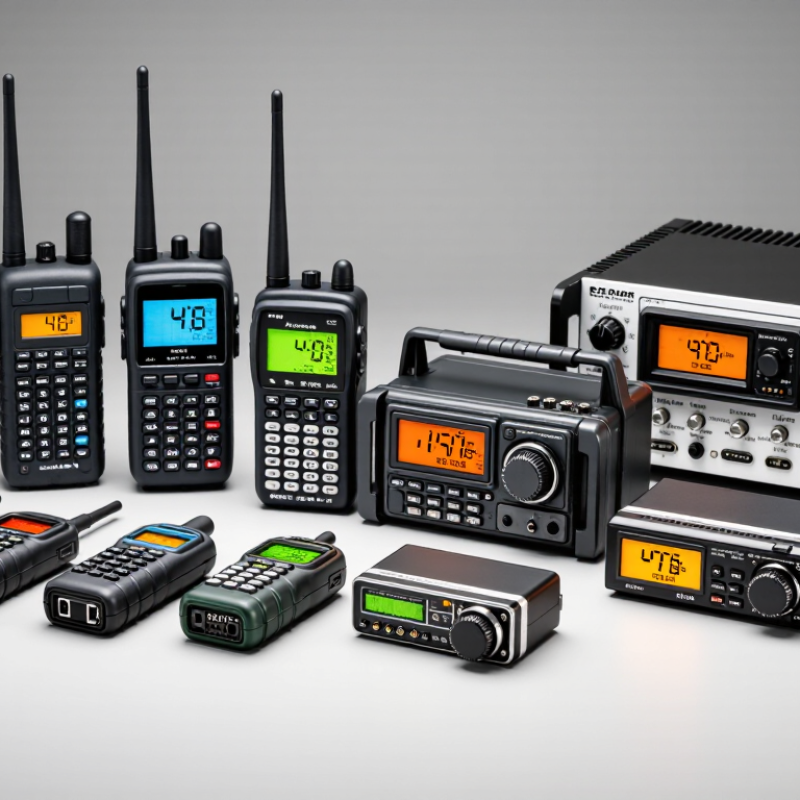
The chart compares representative radio categories commonly considered by international amateur-radio operators. Power ratings are typical maximum RF output levels for each category, not a brand ranking. Actual frequency coverage, transmission power, certifications, accessories, warranty terms, and regional legal requirements should be verified before purchase. Overseas testing should include receive sensitivity, transmit frequency accuracy, output power, connector compatibility, battery safety, and local operating compliance.